
When we lose someone we love, one of our deepest fears is that the details will begin to fade: the sound of their laugh, the way they spoke, the small habits that made them who they were. Writing about loss is one of the most powerful ways to hold on to those details. It turns memories that live only in our hearts into words that can be kept, shared and passed on.
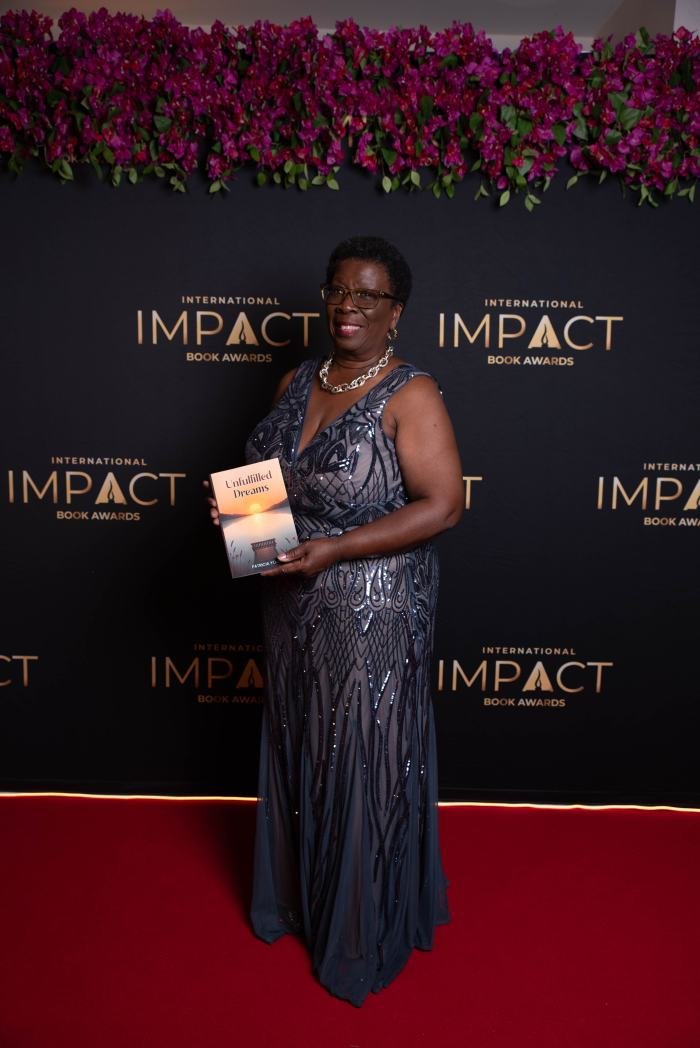
For Patricia Cash, writing became a way to keep her husband’s memory alive. Her memoir, Unfulfilled Dreams, tells the story of her marriage to Vernon McKinney Cash and the loss that changed her life. It shows how memoir writing can become a lasting tribute to someone who made a meaningful impact.
Why Memories Need a Place to Live
Grief often comes with a quiet worry that time will take away what we have left. Memories are precious, but they are also fragile. Without a place to live, they can slowly blur.
Writing gives memories that place. When we put a story on paper, we protect it. A shared joke, a difficult season or an ordinary afternoon can all be preserved exactly as they mattered to us. For many people, writing about loss begins as a private way to remember and becomes something they can share with family and future generations.
Writing as a Way Through Grief
Writing about loss isn’t only about preserving the past. It can also help us move through the present. Grief is complicated and often hard to put into words out loud. Writing allows us to slow down, name what we feel and make sense of what happened, one page at a time.
After Vernon passed away on February 9, 2008, Patricia was left carrying both the memory of their life together and the weight of everything left unsaid. Writing Unfulfilled Dreams gave that grief somewhere to go. It didn’t erase the pain, but it gave it a place to be honored rather than buried.
Capturing the Whole Person, Not Just the Loss
One of the most important things memoir writing can do is remember the whole person, not only how the story ended. A lasting tribute celebrates who someone was: their character, their kindness, their struggles and their love.
Unfulfilled Dreams does exactly that. Patricia and Vernon married in 1985 and shared more than two decades together. Her memoir remembers Vernon as a man of vibrance and generosity, someone who gave to others even while carrying his own struggles. By telling the full story of their life together, Patricia ensures Vernon is remembered for how he lived, not only for how much he is missed.
Honesty Makes a Tribute Real
It can be tempting to remember only the good times when writing about someone we’ve lost. The most meaningful tributes, however, are honest. Real people have flaws, real marriages have hard seasons, and real grief is not always neat.
Patricia’s memoir doesn’t present a perfect story. It shares the love and the difficulties side by side, and that honesty is what makes it feel true. When readers meet Vernon on the page, they meet a real person. That is what makes the tribute last.
Turning Private Memories Into a Shared Legacy
A memory kept to ourselves stays with us. A memory written down can reach others. Memoir writing turns private grief into a shared legacy that family members, friends and even strangers can hold on to.
What began as Patricia’s personal way of remembering Vernon has reached readers around the world. Unfulfilled Dreams, winner of the International Impact Book Awards, now carries his story far beyond the life they shared in Florida. Many readers find comfort in it because they see their own loved ones and their own losses reflected in its pages.
How to Begin Writing About Someone You Love
You don’t need to be a published author to preserve the memory of someone you love. Here are a few simple ways to begin:
- Start small. Write down one memory at a time. A single afternoon or conversation is enough to begin.
- Focus on details. Their favorite phrases, the way they laughed, the places you shared. Small details bring people back to life on the page.
- Be honest. Include the hard moments as well as the happy ones. Truth makes a tribute meaningful.
- Write for yourself first. You can decide later whether to share it. The first goal is simply to remember.
- Keep going. Over time, those small pieces can grow into a larger story, and even a memoir.
Final Thoughts
Writing about loss won’t bring back the people we miss, but it can make sure they are never forgotten. Through memoir writing, memories become lasting words, grief becomes a tribute, and one person’s story can comfort many others.
Unfulfilled Dreams by Patricia Cash is a moving example of how love can be preserved on the page. If you are carrying the memory of someone who shaped your life, her story may inspire you to begin writing your own.