Some of the most meaningful stories are not imagined; they are lived. They come from personal experiences, relationships, difficult decisions, unexpected changes, and moments that leave a lasting impression. If you have ever wondered what is a memoir, it is a form of nonfiction writing that explores real-life experiences through the writer’s memories, reflections, and personal perspective.
A memoir invites readers into a particular part of someone’s life. Rather than documenting every event from birth to the present, it focuses on meaningful experiences and explores what they reveal about love, loss, identity, family, and personal growth.
What Is a Memoir and Why Does It Matter?
A memoir is a true story based on the author’s lived experiences and recollections. It often centers on a particular relationship, period of life, challenge, or personal transformation.
For example, someone might write about growing up in a close-knit family, navigating a long marriage, overcoming a difficult period, or rebuilding life after losing a loved one. Each experience can become the foundation for a memoir when the writer explores not only what happened but also why it mattered.
Understanding what is a memoir means recognizing the importance of reflection. The events themselves are only part of the story. The writer’s feelings, interpretations, and understanding of those events help readers connect with the narrative on a deeper level.
How Is a Memoir Different From an Autobiography?
Although memoirs and autobiographies both tell stories about real lives, they have different approaches.
An autobiography generally attempts to cover a person’s life in a broad chronological account, often beginning with childhood and continuing through significant later experiences.
A memoir takes a more focused approach. It explores selected experiences connected by a central theme or message.
For instance, an autobiography might describe a person’s education, career, relationships, and major achievements. A memoir might concentrate on one relationship and explain how it shaped the author’s understanding of love, commitment, or loss.
Neither form is inherently better than the other. The right choice depends on the story the writer wants to tell and the experiences they want readers to understand.
The Power of Personal Experiences in Storytelling
Real-life experiences can create a powerful connection between writers and readers. When authors describe moments of happiness, uncertainty, heartbreak, or hope, readers may recognize emotions they have experienced themselves.
This connection is one reason memoirs remain meaningful across different generations. A reader may have a completely different background from the author yet still understand the challenges of maintaining relationships, dealing with change, or finding strength during difficult times.
A compelling memoir does not require an extraordinary life. Ordinary experiences can hold extraordinary meaning when explored honestly and thoughtfully.
A family tradition, a conversation that changed a relationship, or a difficult decision can reveal important truths about human nature. These details help transform personal memories into stories that resonate beyond the writer’s immediate circle.
What Makes a Memoir Meaningful and Memorable?
The strongest memoirs combine honest storytelling with thoughtful reflection. Several elements can help bring a personal narrative to life.
Authenticity: Readers connect with stories that feel sincere. Writers should describe their experiences honestly while acknowledging that memories can be imperfect.
Emotional depth: Explaining how an experience felt and why it mattered helps readers understand the person behind the story.
A clear theme: A central idea, such as love, resilience, family, or personal growth, helps connect different events into a cohesive narrative.
Vivid details: Specific descriptions of places, conversations, and meaningful objects make memories easier to imagine.
Reflection: Looking back allows writers to explore how their perspectives have changed and what they have learned from past experiences.
These elements help readers see beyond the sequence of events and understand the deeper meaning behind a life story.
How to Begin Writing Your Own Memoir
You do not need to be an experienced author to begin writing a memoir. Start by identifying an experience or period of life that continues to hold significance for you.
Write down important memories without worrying about perfect grammar or structure. Consider who was involved, what happened, how you felt, and why the experience remains important today.
Next, look for connections between your memories. Perhaps several experiences reveal a recurring lesson about relationships, responsibility, courage, or change. These connections can help establish the central theme of your manuscript.
As you revise, organize the story so readers can follow the events and understand your reflections. Check important details against photographs, letters, diaries, or other available records when possible. Be careful not to present uncertain recollections as verified facts.
It is also important to consider the privacy of other people who appear in your story. You can communicate your own experiences honestly while making thoughtful decisions about sensitive personal details.
Why Memoirs Preserve More Than Memories
A memoir can become a lasting record of experiences that might otherwise be lost with time. It can preserve family history, honor important relationships, and give future generations a better understanding of the people who came before them.
The writing process can also encourage personal reflection. Revisiting the past may help authors recognize patterns, appreciate meaningful relationships, and understand how difficult experiences influenced their lives.
For readers, memoirs offer a chance to see the world through someone else’s eyes. They can encourage empathy, provide comfort, and remind people that their own experiences are part of a much larger human story.
Discover the Stories That Make Us Human
So, what is a memoir? It is more than a collection of memories. It is a thoughtful account of real experiences, shaped by personal reflection and shared to help others understand what those experiences mean.
Whether a story explores marriage, family, grief, hope, or starting over, a memoir can preserve important moments and turn them into something meaningful for others.
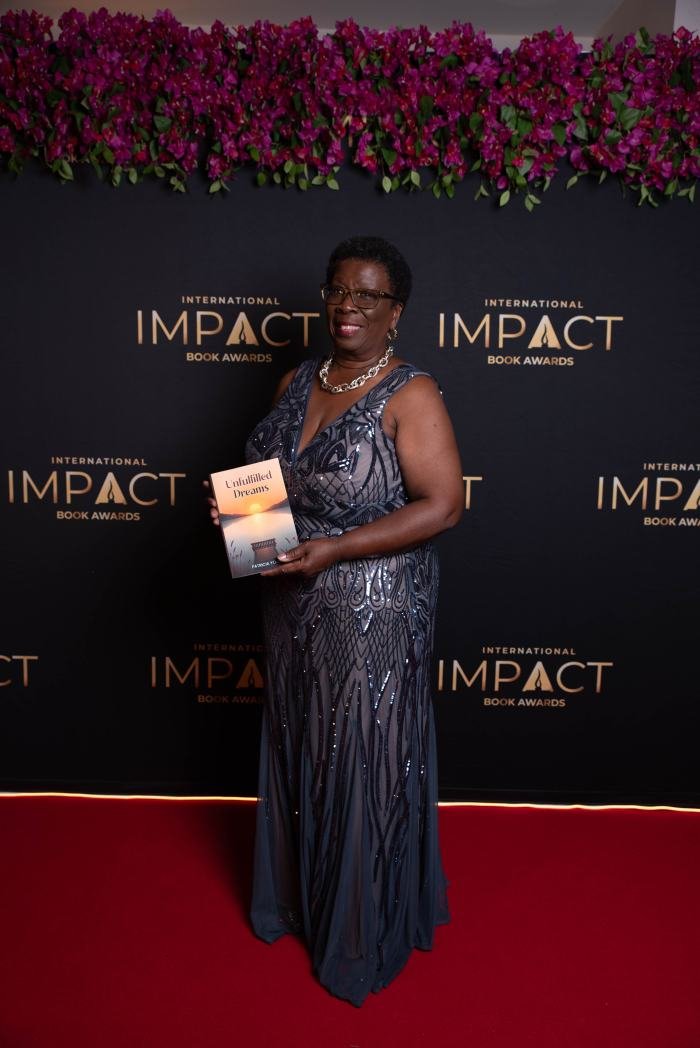
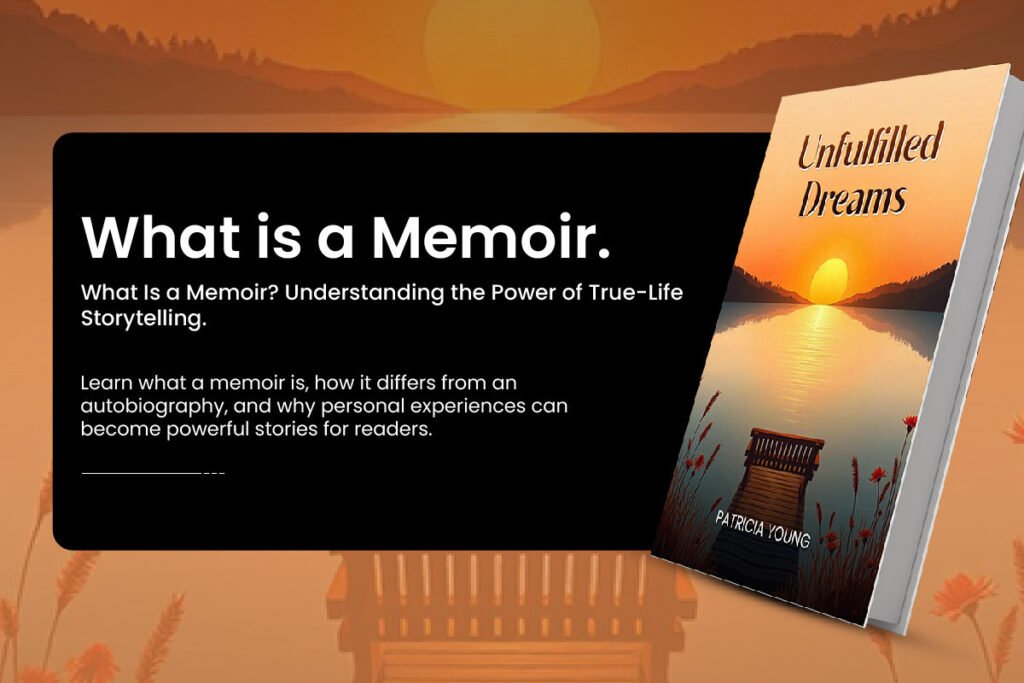
Patricia Cash’s Unfulfilled Dreams reflects the personal and emotional side of memoir writing, inviting readers to engage with the experiences and reflections behind a real-life story. Ultimately, memoirs remind us that every life contains moments worth remembering and lessons worth sharing.