
Life rarely follows the path we imagine. Unexpected loss, relationship struggles, disappointment, and difficult changes can challenge everything we once believed about ourselves and our future. During these moments, stories of resilience remind us that even when life becomes uncertain, there can still be room for hope, healing, and new beginnings.
Personal stories of adversity offer something meaningful: they help readers see that hardship is not an experience they have to face alone. Through honest storytelling, we can better understand the emotions, decisions, and small acts of courage that help people move forward.
What Do Stories of Resilience Teach Us?
Resilience is the ability to adapt when life brings difficult or stressful experiences. It does not mean ignoring pain, hiding emotions, or pretending everything is fine. Instead, resilience involves finding ways to cope, seeking support, and adjusting to circumstances that may be beyond our control.
The most meaningful stories of resilience are not always about extraordinary achievements. Sometimes, they describe someone finding the courage to start again after a relationship ends, rebuilding daily routines following a loss, or learning to trust themselves after years of disappointment.
These experiences show readers that strength can take many forms. It may look like asking for help, setting boundaries, accepting change, or simply getting through a difficult day.
Finding Strength Through Love and Loss
Love can bring some of life’s happiest memories, but it can also make loss deeply painful. Losing someone we love, experiencing heartbreak, or watching a cherished dream slip away can leave us questioning what comes next.
During these times, personal stories can provide a sense of connection. Reading about another person’s experience may help us recognize feelings we have struggled to explain ourselves. A character’s reflection, a memoir’s honest account, or a familiar moment described on a page can make complicated emotions feel less isolating.
Stories about loss should not suggest that grief follows a fixed timeline. Everyone processes difficult experiences differently. Some people find comfort in family and friendships, while others need quiet reflection, professional support, or time to understand their feelings.
Resilience can mean carrying meaningful memories forward while gradually making space for new experiences. Healing does not require forgetting what mattered.
How Personal Stories Inspire Hope
One reason readers connect with personal stories is their honesty. Real-life experiences often include uncertainty, setbacks, conflicting emotions, and decisions without easy answers.
When writers share difficult chapters of their lives with care, they give readers an opportunity to reflect on their own experiences. These narratives can encourage empathy by helping us understand perspectives different from our own.
Stories of resilience can also challenge the idea that success means having a perfect life. A person may experience setbacks and still find purpose. Someone may feel afraid and still make a courageous decision. Another person may need several attempts before finding a healthier direction.
Hope does not always arrive as a dramatic transformation. Sometimes, it begins with one conversation, one thoughtful decision, or the willingness to imagine a different future.
Building Resilience Through Everyday Choices
Although reading can offer encouragement, resilience also develops through the ways we respond to everyday challenges. Small, realistic steps can help create a foundation for coping with difficult circumstances.
Stay connected with supportive people. Talking with someone trustworthy can ease feelings of isolation. Friends, family members, community groups, or qualified professionals may provide different kinds of support.
Give yourself permission to feel. Sadness, frustration, fear, and uncertainty are human responses to difficult experiences. You do not have to turn every painful moment into a lesson.
Focus on manageable actions. When the future feels overwhelming, identify one practical step you can take today. Resting, organizing a task, attending an appointment, or reaching out to someone can be a meaningful beginning.
Make room for personal reflection. Journaling, reading, or spending quiet time thinking about your experiences may help you understand what matters to you and what you need moving forward.
Seek help when necessary. Resilience is not about handling everything independently. If distress is persistent or interferes with daily life, a mental health professional can help you find appropriate support.
The American Psychological Association explains that resilience can be developed through supportive relationships, coping strategies, wellness, and meaningful goals. This reinforces an important point: strength is not simply something people either possess or lack.
Why Memoirs Make Powerful Stories of Resilience
Memoirs offer a personal perspective on experiences that shape a life. Unlike fictional narratives, memoirs draw from an author’s lived experiences, memories, and reflections, although they still represent an individual’s perspective rather than every possible viewpoint.
For readers interested in love, loss, personal struggles, and the courage to begin again, memoirs can provide a thoughtful space for reflection.
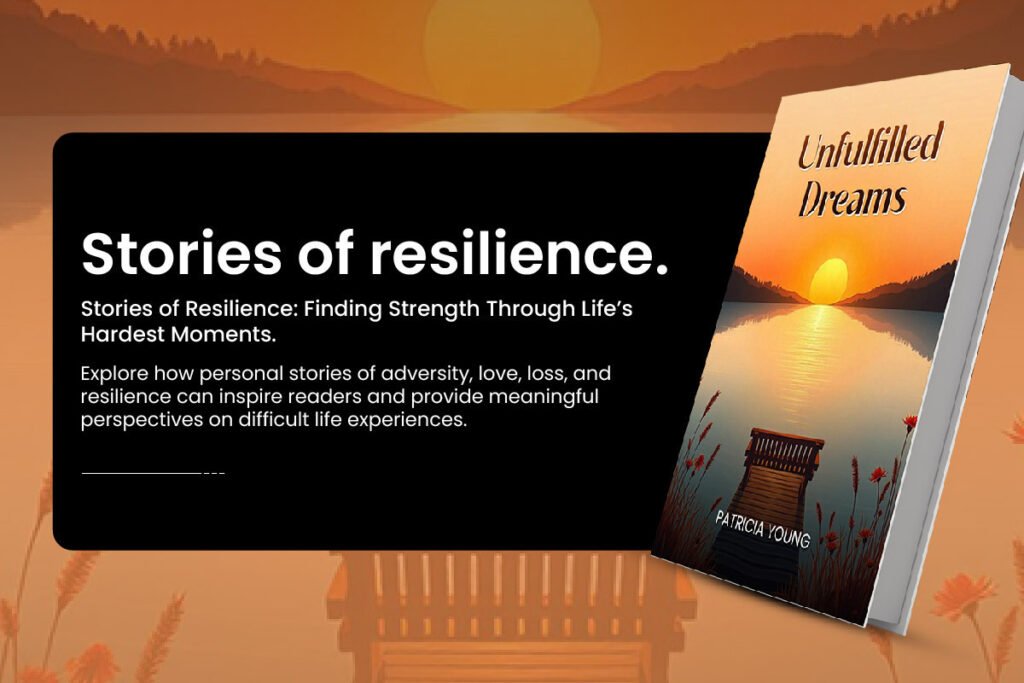
Patricia Cash’s Unfulfilled Dreams connects with these themes through its focus on love, loss, and finding the courage to begin again. Readers exploring the emotional complexities of life’s experiences may find memoirs particularly meaningful because they invite reflection rather than offering a single formula for overcoming adversity.
A powerful memoir does not need to present every experience as a victory. Sometimes, its value lies in acknowledging difficult truths and showing how a person’s understanding of life changes over time.
Finding Your Own Meaning in Difficult Moments
Every person’s journey is different. The experience that changes one person’s life may look entirely different from another’s, and there is no universal timetable for healing or rebuilding.
Still, stories of resilience can remind us that difficult chapters do not have to define an entire life. They can help readers approach their own experiences with greater compassion, patience, and openness to possibilities.
Perhaps the most important lesson is that moving forward does not always mean returning to the person you were before. Sometimes, it means discovering what you value now, recognizing the support around you, and choosing what comes next.
If you enjoy meaningful reflections on love, loss, and new beginnings, explore Patricia Cash’s Unfulfilled Dreams and discover a memoir that invites readers to reflect on life’s unexpected turns.
Explore the Book: Visit Patricia Cash’s website to learn more about Unfulfilled Dreams and find your preferred reading format.